Exploring the Future of Wastewater Recycling for a Greener World
The future of wastewater recycling presents an engaging opportunity to attend to essential environmental challenges while promoting resource sustainability. As technological innovations in therapy techniques and keeping track of systems evolve, the possible to change wastewater into necessary sources comes to be significantly possible. Wastewater. This paradigm change not only promises to minimize the stress on our freshwater sources however likewise aligns with broader sustainability goals. The path onward is complex and requires mindful consideration of different factors that influence application and effectiveness. What are the essential innovations coming up that could redefine our method to wastewater administration?
Significance of Wastewater Recycling
The need of wastewater reusing emerges from the pressing difficulties of water scarcity and ecological deterioration. As global populations increase and industrial activities expand, the demand for fresh water has reached unsustainable levels. Traditional water resources are lessening, making it necessary to check out alternate solutions. Wastewater recycling provides a sensible pathway to reduce these stress by changing treated sewer right into multiple-use water, therefore preserving priceless freshwater products.
In addition, the environmental advantages of wastewater recycling are considerable. By lowering the discharge of pollutants right into all-natural water bodies, this technique aids mitigate the damaging effects of water air pollution, shielding marine ecosystems and biodiversity. It also decreases the power and resources needed for standard water therapy processes, adding to a decrease in total carbon footprints.
Additionally, wastewater recycling sustains sustainable agricultural practices by offering a regular and reliable resource of irrigation water. This is specifically crucial in deserts where water shortage postures a straight hazard to food safety. In general, the value of wastewater recycling exists not only in resolving immediate water needs however additionally in cultivating a lasting and resistant future for both human populaces and the atmosphere.
Ingenious Technologies in Treatment
Just how can innovative modern technologies transform the therapy of wastewater? The development of advanced treatment approaches is transforming wastewater administration, making it extra efficient, affordable, and eco friendly. Amongst these modern technologies, membrane layer bioreactors (MBRs) stand out for their capability to incorporate organic therapy with membrane layer filtration, resulting in high-grade effluent that meets rigid regulatory standards. This process not just boosts the elimination of pollutants however likewise minimizes the footprint of therapy centers.
An additional promising development is the usage of sophisticated oxidation procedures (AOPs), which utilize powerful oxidants to damage down complex contaminants, consisting of pharmaceuticals and individual care products that traditional techniques frequently fail to get rid of. In addition, the assimilation of synthetic intelligence (AI) and maker knowing right into wastewater treatment procedures enables real-time surveillance and optimization, enabling drivers to enhance performance and minimize functional costs.
In addition, decentralized therapy systems are obtaining grip, specifically in rural locations, as they provide localized services that minimize transportation and infrastructure obstacles. Wastewater. By leveraging these innovative innovations, the wastewater therapy industry is positioned to substantially improve water recuperation and add to sustainable resource administration. The future of wastewater recycling inevitably depends upon these innovative advancements
Benefits for Ecological Sustainability
Recognizing the crucial requirement for sustainable water monitoring, wastewater recycling deals countless benefits for ecological sustainability. By treating and recycling wastewater, we substantially reduce the demand for freshwater resources, which are increasingly under stress from population growth and environment modification. This technique not only conserves water however additionally lessens the ecological influence linked with the extraction and distribution of freshwater.
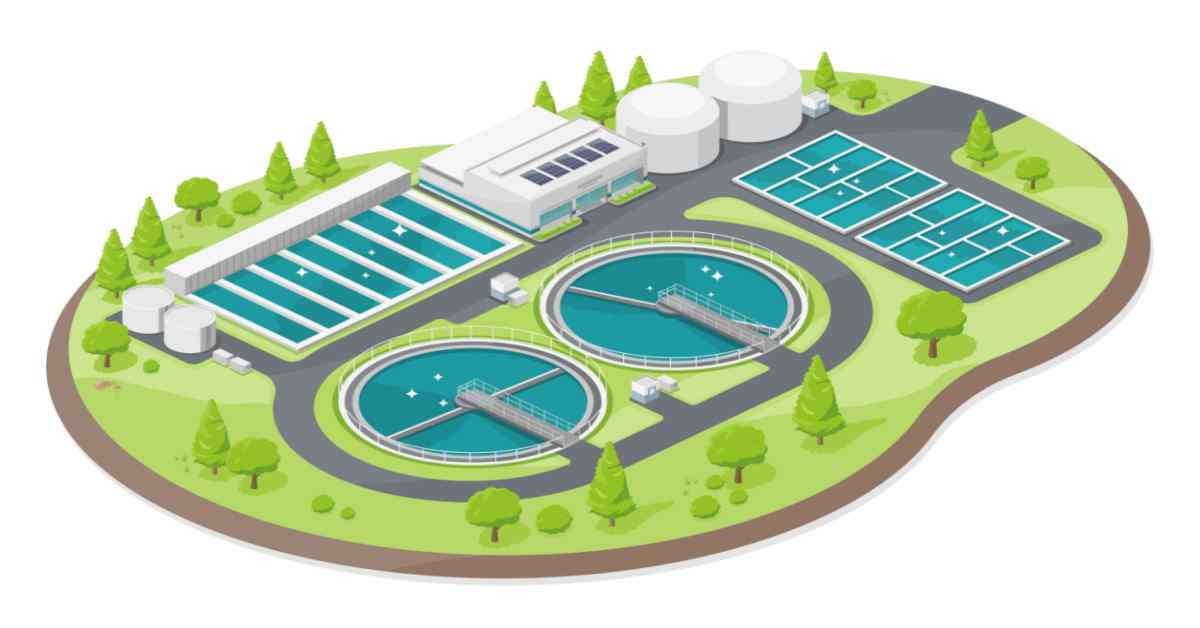
Furthermore, the fostering of wastewater recycling can substantially decrease energy consumption contrasted to conventional water therapy approaches. By making use of sophisticated technologies, such as membrane filtration and organic therapies, facilities can run more efficiently, thereby reducing their carbon footprint.
Study of Success
While numerous regions encounter obstacles related to water deficiency, several cutting-edge case researches show the effective application of moved here wastewater reusing campaigns. This initiative intends to offer one-third of the city's water supply by converting reclaimed water right into high-quality get more alcohol consumption water through sophisticated therapy processes.
Similarly, Singapore has actually been a pioneer in wastewater reusing with its NEWater effort. This program treats and cleanses used water, making it ideal for both commercial and safe and clean uses. As an outcome, Singapore has efficiently minimized its dependancy on imported water, accomplishing a remarkable degree of water self-sufficiency.
Moreover, the city of Windhoek in Namibia has actually carried out a direct potable reuse system, which has been functional considering that the 1960s. This pioneering effort shows that, with appropriate innovation and public approval, even deserts can make sure a lasting water via effective wastewater reusing methods - Wastewater. These study highlight the practicality and requirement of integrating ingenious wastewater management strategies to resolve worldwide water difficulties
Future Trends and Advancements
Expecting a future formed by climate change and raising urbanization, the landscape of wastewater recycling is positioned for significant developments. Developments in modern technology, such as membrane bioreactors and advanced oxidation procedures, are expected to boost the performance and performance of treatment systems. These advancements will not just boost water quality but likewise make recycling processes extra energy-efficient, minimizing the general carbon footprint.
Furthermore, the integration of best site synthetic intelligence and IoT (Web of Things) will certainly assist in real-time tracking and monitoring of wastewater systems, permitting anticipating maintenance and optimized source appropriation. This data-driven method will cause even more durable frameworks efficient in adapting to fluctuating water needs and quality standards.
In addition, public-private partnerships and increased governmental support are most likely to drive investments in wastewater reusing tasks, promoting a collective setting for innovation. As policies become stricter and the need for lasting water sources rises, the adoption of circular economy concepts will certainly even more seal wastewater recycling as an important part of sustainable city planning.
Verdict
In final thought, the future of wastewater reusing presents substantial opportunities for ecological sustainability and source monitoring. The assimilation of wastewater recycling into city planning not only enhances resilience against environment adjustment yet likewise contributes to the general health of environments.